7 min readArrow Industries
What Drives the Cost of a Borewell Cap
Weight, grade, machining, pattern and quantity — in that order. Understanding which of these your specification is actually paying for, and which of them you can change without weakening the part.
Two caps of the same nominal size can be quoted at very different prices, and the difference is almost never margin. It is usually weight, grade, how much machining the part needs, and whether a pattern already exists.
Here is what each of those contributes, and which ones are worth paying for.
1. Weight
Grey iron is bought and sold by weight, so the metal in the part is the floor under the price. A heavier cap in the same size costs more because there is more iron in it.
Weight is not a proxy for quality. As covered in why borewell caps crack, how the section changes matters more than how thick it is — a well-radiused boss on a moderate section outlasts a heavy plate with a sharp corner, and heavy sections in grey iron are more prone to shrinkage defects unless the feeding is right.
Worth paying for? Only where the duty needs it. Specifying a heavier cap "to be safe" buys metal, not reliability.
2. Material grade
FG 260 costs more than FG 200: a different charge composition, tighter control through the melt, and higher tool wear at the machining stage. The reasoning for choosing between them is in FG 200 vs FG 260.
Worth paying for? Yes, where the load concentrates — larger caps, heavy hanging loads, pressure-carrying parts. No, as a general upgrade on a lightly loaded part.
3. Machining
As-cast surfaces are cheap. Every machined surface adds a setup, cutting time and inspection.
On a cap, the usual machined features are the clamp bore, the seating face and the bolt holes. The clamp bore is the one that must be right — it is what grips the column pipe — so that is machining you want. A machined decorative face is machining you are paying for and will never see again once the cap is fitted.
Worth paying for? The clamp bore and the seat, yes. Cosmetic finish, no.
4. Pattern
A casting needs a pattern, and a pattern is a one-time cost that has to be recovered.
For a standard size, the pattern already exists and is amortised across every cap poured from it — it contributes almost nothing to your price. For a non-standard size, you are paying to have one made, and that cost lands on your order alone.
| Situation | Pattern cost to you | Lead time |
|---|---|---|
| Standard size, existing pattern | Effectively nil | Short |
| Non-standard size, new pattern | Full, on your order | Longer |
| Non-standard, repeat orders | Spread across orders | Short after the first |
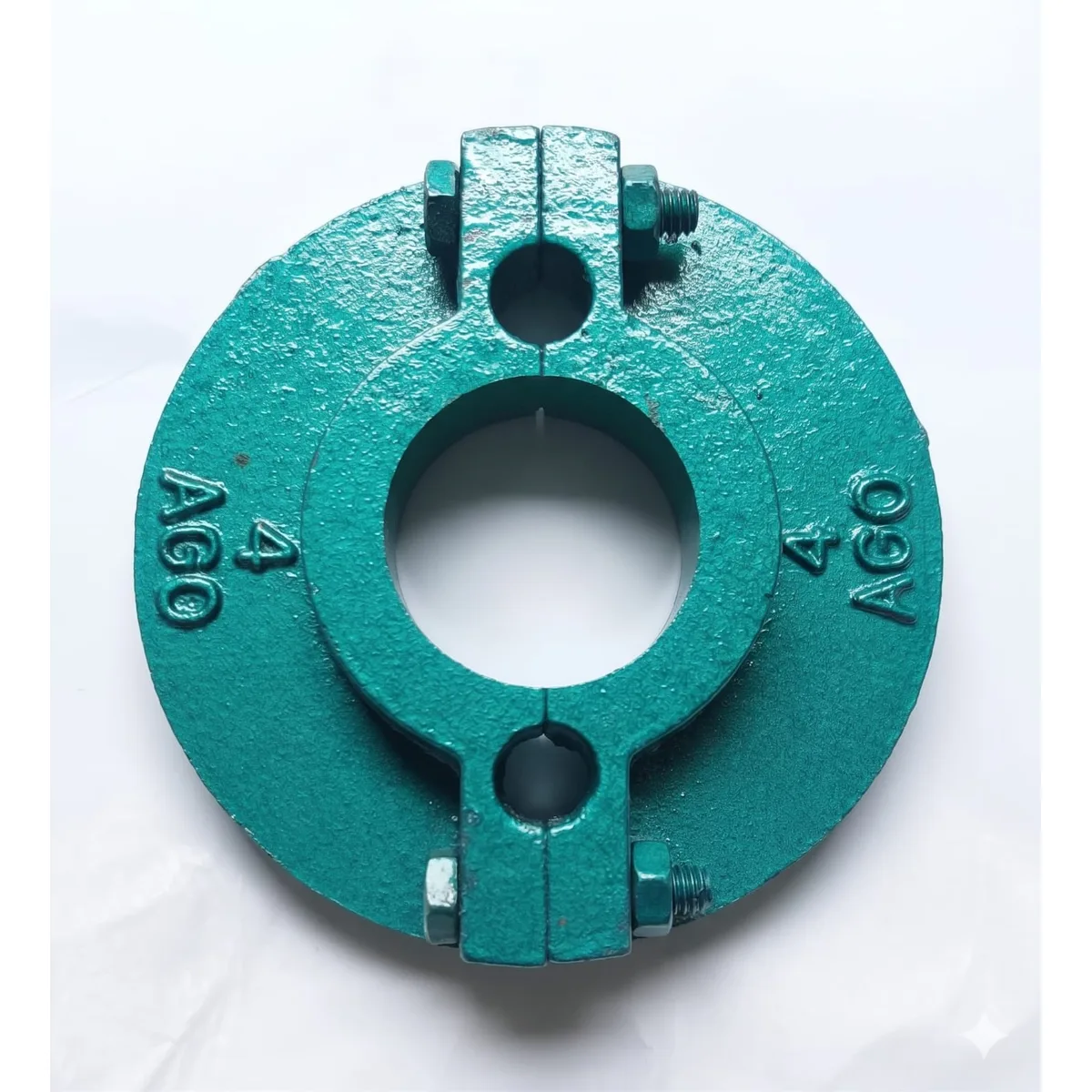
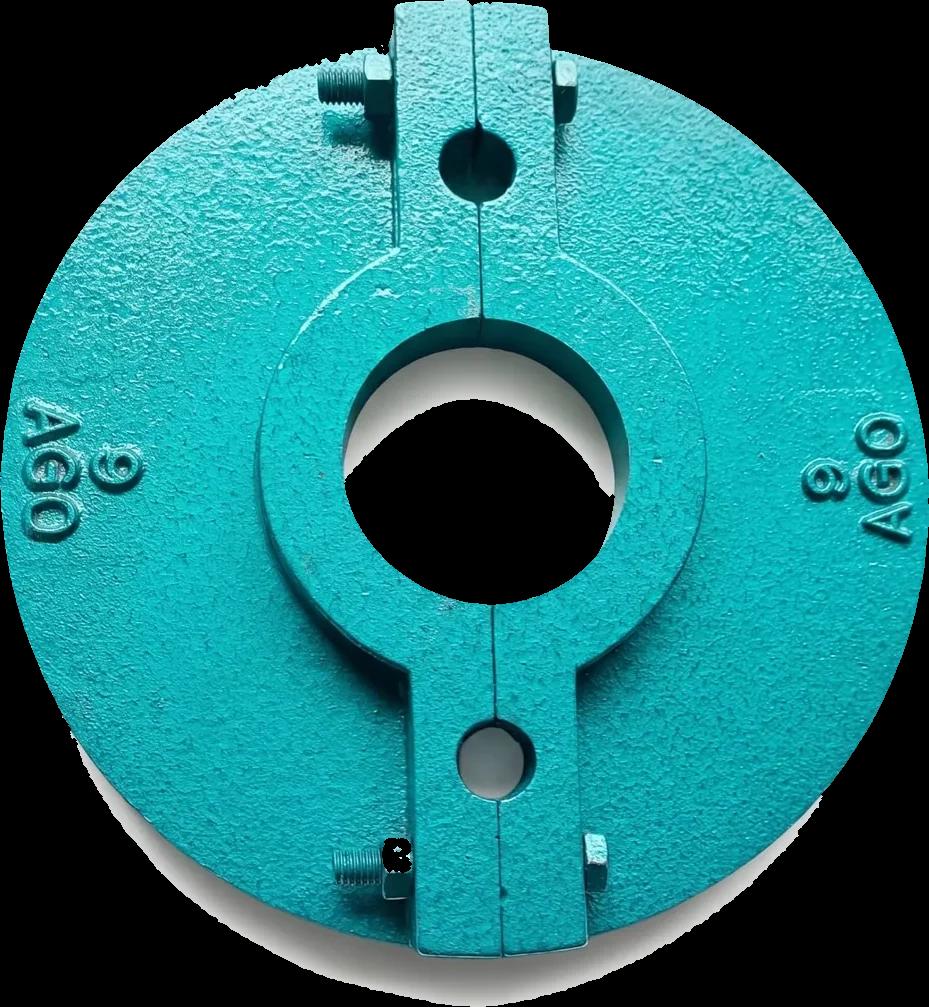
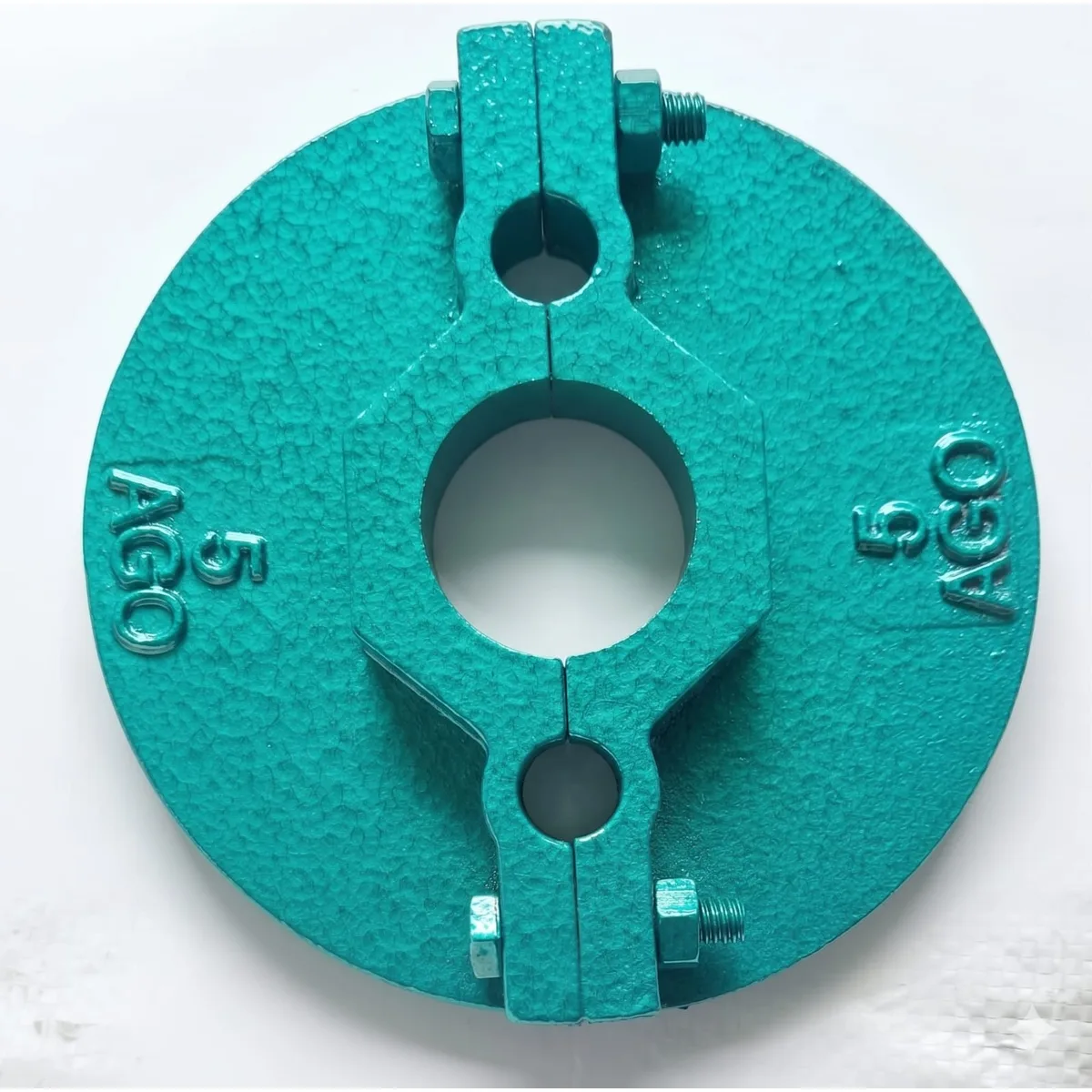
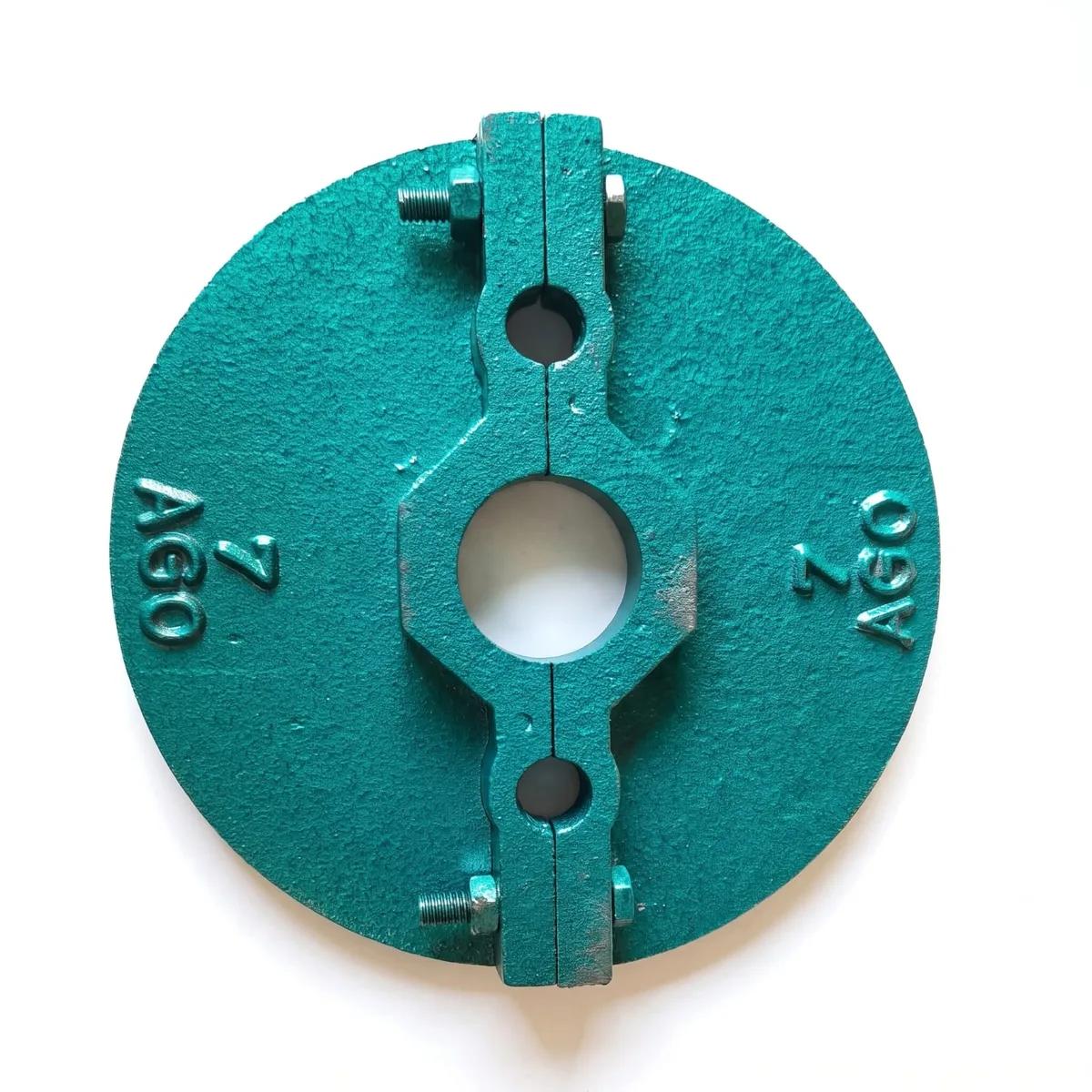
Worth paying for? Only when a standard size genuinely will not fit. Our stock patterns cover 4" through 9" — from the AGO 4" to the AGO 9", with the AGO 5" the most commonly ordered — which covers the overwhelming majority of bores. Check the catalogue before commissioning anything.
5. Quantity
Casting has real setup per batch: moulding, preparing the melt, pouring. That setup is the same for five caps or five hundred, so the per-piece cost falls as the order grows.
This is the largest single lever a dealer has. Consolidating a quarter's requirement into one order usually beats buying weekly, on both price and consistency — every piece comes from the same melt.
6. Finish and packing
Paint, coating and packing are small compared with the above, but they are not nothing, and for export orders packing can be substantial. Worth specifying deliberately rather than leaving to default.
What this means when you ask for a quote
Send the duty, not just the size. A quote against "5-inch cap" has to assume something; a quote against the casing diameter, column pipe diameter, hanging depth, pump rating and quantity is priced for what you actually need.
The five figures to send are listed at the end of the size guide.
Where to spend and where not to
Spend on: correct clamp bore, the right grade for the load, a through clamp bar if the setting is deep, consolidated order quantity.
Do not spend on: extra weight as insurance, a non-standard size when a standard one fits, cosmetic machining, a higher grade on a lightly loaded part.
Frequently asked questions
What determines the price of a borewell cap?
Weight of metal, material grade, how many surfaces need machining, whether a pattern already exists for the size, and order quantity. Weight and quantity usually dominate.
Why is a non-standard size borewell cap more expensive?
Because a casting needs a pattern, and for a non-standard size that pattern has to be made and its cost recovered on your order. For standard sizes the pattern already exists and contributes almost nothing per piece.
Is a heavier borewell cap better?
No. Section transitions — particularly the fillet radius where the clamp boss meets the plate — affect service life more than thickness, and heavy sections in grey iron are more prone to shrinkage defects. Extra weight buys metal, not reliability.
Does ordering more borewell caps reduce the price per piece?
Yes. Moulding, melt preparation and pouring setup is the same whether the batch is small or large, so per-piece cost falls as quantity rises. Consolidating orders also means every piece comes from the same melt.
What information should I send to get an accurate quote?
Bore casing outside diameter, column pipe outside diameter, cable arrangement, approximate hanging depth and pump rating, and quantity. Without the column pipe diameter the clamp bore cannot be fixed, and the quote has to assume.